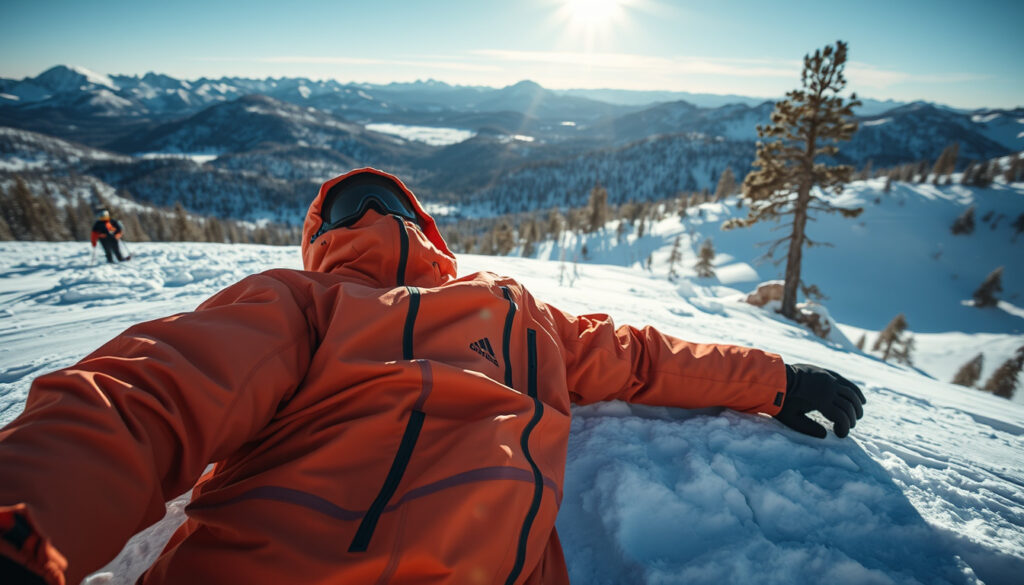
Best Ski Jacket Guide for Australian Conditions 2026
Anyone who’s ever stood on a chairlift in a wet jacket knows the feeling: cold, miserable, and distracted from the skiing. Picking the right ski jacket can make or break a day on the slopes, especially in Australia’s unique snow conditions; this guide breaks down the key factors—waterproofing, insulation, fit, and brand options—so you can find the jacket that works for your riding style and budget.
Typical waterproof rating: 10,000mm – 20,000mm ·
Breathability rating: 10,000g – 20,000g ·
Average price range: AUD $200 – $800 ·
Number of major brands: Over 50
Quick snapshot
- Whether any single brand is the “best” is not confirmed; fit, style, and budget remain deciding factors.
- End-of-season sales in Australia run between August and September.
- Check end-of-season sales at Anaconda, Snow Central, and Rhythm Snowsports for premium jackets at reduced prices.
| Attribute | Typical value or range |
|---|---|
| Waterproof rating | 10,000–20,000mm |
| Breathability rating | 10,000–20,000g |
| Average price | AUD $200–$800 |
| Major brands | 50+ |
What’s the difference between a snow jacket and a ski jacket?
Ski jackets are designed for high-exertion snowsports, while snow jackets are often more casual or general-purpose waterproof shells.
- Ski jackets typically have higher waterproof ratings (15,000mm–20,000mm) and breathability for high exertion (Snowbiz).
- Insulation differences: ski jackets often use synthetic or down insulation for active warmth; snow jackets are often more casual or general-purpose waterproof shells.
The practical takeaway: choose a ski jacket if you plan active days in Australian snow; choose a more casual shell only for occasional use.
What is a ski jacket called?
Depending on the construction, a ski jacket may be called:
- Ski shell – a waterproof jacket without insulation.
- Insulated ski jacket – a jacket with built-in synthetic or down insulation.
- 3-in-1 jacket – a shell with a removable inner layer for different conditions.
Knowing these terms helps you narrow your search and choose the right type for Australian snow conditions.
What are the best ski jackets and brands for 2026?
Five leading options, one pattern: premium jackets converge on 20K waterproofing and PrimaLoft or down insulation.
| Brand | Model (2026 line) | Waterproof rating | Insulation | Price (AUD) |
|---|---|---|---|---|
| Arc’teryx | Sabre | 20,000mm | Coreloft synthetic | $800–$1,200 |
Other premium brands covered in this guide include Helly Hansen, The North Face, Patagonia, and Spyder; budget options include Columbia, Decathlon, XTM, and Rojo.
The pattern is clear: premium options focus on 20K waterproofing and skiing-specific features, while budget options trade some features for a lower price.
How much does a good ski jacket cost?
Prices fall into three ranges:
- Entry-level (AUD $150–$300): Columbia, Decathlon. Suitable for occasional skiing; ratings around 5,000–10,000mm.
- Mid-range (AUD $300–$600): The North Face, Marmot, Salomon, Kjus. Ratings 10,000–20,000mm.
- Premium (AUD $600–$1,200+): Arc’teryx, Helly Hansen, Patagonia, Spyder. Top-tier waterproofing and breathability.
What influences cost includes waterproofing, breathability, insulation type, and brand positioning.
Sales in Australia—often at Anaconda, Snow Central, and Rhythm Snowsports—can drop premium jackets into mid-range prices, especially end-of-season (August–September).
For most Australian skiers, mid-range to premium 15–20K jackets are the sweet spot; budget shells can work in mild conditions.
What’s the warmest ski jacket?
If you’re riding in temperatures below -20°C, an extreme-cold parka may be needed; for most Australian resorts, layering is more flexible.
- Down vs synthetic: down is warmer for its weight but loses loft when wet; synthetic insulation dries faster and performs better in damp snow.
- Temperature ratings: most mid-range insulated jackets are comfortable down to -10°C to -15°C.
- Layering system: a waterproof shell over a merino or synthetic mid-layer can beat a heavy jacket across changing conditions.
Prioritising water resistance over raw warmth often pays off in Australia’s damp snow.
What are you supposed to wear under a ski jacket?
A three-layer system works best:
- Base layer: merino or synthetic against the skin to wick moisture.
- Mid layer: fleece or lightweight insulation to trap warmth.
- Shell layer: your ski jacket to block wind and water.
Australian snow is notoriously wet, so a breathable, waterproof shell with a good mid-layer is often more comfortable than a heavy fixed-insulation jacket.
Avoid cotton under a ski jacket—cotton absorbs moisture and causes chilling. A good merino base layer and a fleece mid-layer are all you need for Australian conditions.
The practical takeaway: invest in merino base layers and a breathable waterproof shell before choosing an extremely heavy parka.
Related reading: Best Snow Gear for Australian Conditions · Best Snow Jackets for Skiing
auski.com.au, spydersnow.com.au, decathlon.com.au, elevation107.com.au, auski.com.au, amazon.com.au, snowverb.com, xtm.com.au, auski.com.au
Frequently asked questions
What waterproof rating is best for skiing?
For Australian resorts, aim for 10,000mm minimum, ideally 15,000–20,000mm. Ratings below 5,000mm are not recommended for active skiing (Snowbiz).
Can I use a ski jacket for snowboarding?
Yes—brands like Spyder and Salomon make models that work for both skiing and snowboarding.
Where can I find ski jacket sales in Australia?
End-of-season sales at Anaconda, Snow Central, and Rhythm Snowsports are good places to find premium jackets at reduced prices.
More related posts
 Emily Bett Rickards After Arrow: Career, Net Worth & More
 Happy Valentine’s Day: Best Messages, Quotes & Wishes
 Harold Shipman: Verified Facts, Inquiry Findings & Unanswered Questions
 Anna Kendrick: Relationship, Baby & Net Worth (2025)
 Shawn Johnson: Weight Loss, Husband, Net Worth, Gymnastics
 David Cassidy Cause of Death, Will, and Alcohol Battle
 Blueberry Ash Tree: Complete Guide for Australian Gardeners
 Iron Man: Superhero vs Triathlon – Key Differences & Facts
