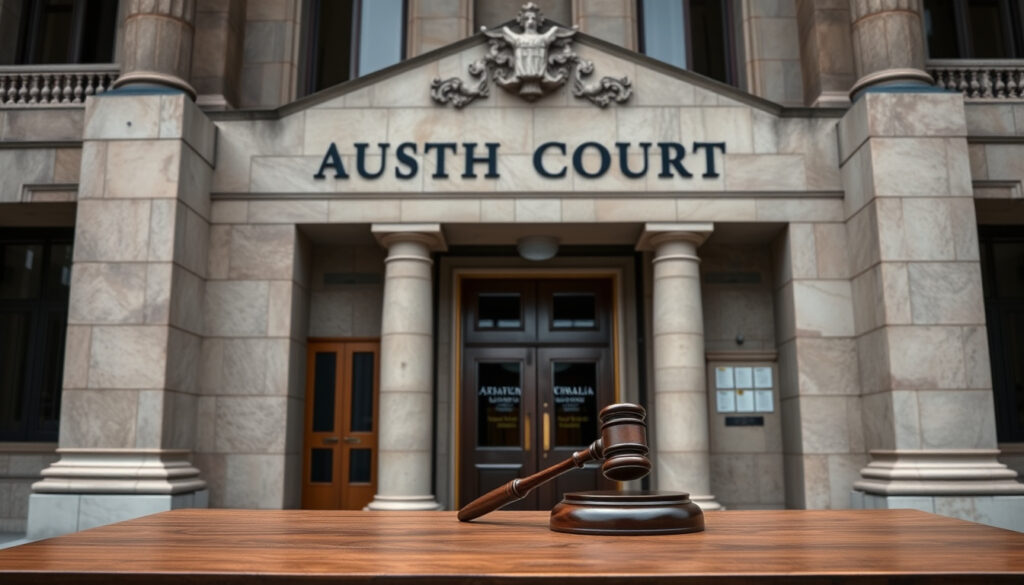
George Pell: Biography, Conviction, Appeal, and Death
George Pell’s story is one of dramatic reversals: a cardinal at the Vatican’s financial helm, convicted of child sexual abuse, then freed after a unanimous High Court decision. His death in January 2023 at age 81 didn’t settle the debates — it sharpened them. Here’s what the verified record shows, and what remains contested.
Born: 8 June 1941 · Died: 10 January 2023 · Conviction: Overturned on appeal (April 2020) · Prison time: 404 days in solitary confinement · Highest position: Prefect of the Secretariat for the Economy, Vatican · Controversy: Response to child sexual abuse in the Catholic Church
Quick snapshot
- George Pell was born on 8 June 1941 and died on 10 January 2023. (Wikipedia)
- He was convicted in 2018 and the conviction was overturned by the High Court of Australia in 2020. (BBC News)
- He served as Archbishop of Sydney and Prefect of the Secretariat for the Economy. (First Things)
- Whether Pell had direct knowledge of abuse by specific priests beyond what was established in the Royal Commission. (ABC News)
- The full extent of his role in the management of Vatican finances. (National Catholic Reporter)
- The reasons for the Vatican’s decision not to take disciplinary action against Pell after the allegations. (The Conversation)
- High Court acquittal: 7 April 2020 (Law Society Journal)
- Death: 10 January 2023 (ABC News)
- Prison term: 404 days in solitary confinement (Wikipedia)
- Ongoing debate about Pell’s legacy and institutional accountability in the Catholic Church. (Obituaries Australia (ANU))
- Posthumous publication of his final writings criticizing the Vatican. (ABC News)
A concise record of Pell’s essential biographical and legal details follows.
| Label | Value |
|---|---|
| Full name | George Pell |
| Born | 8 June 1941, Ballarat, Victoria, Australia (Wikipedia) |
| Died | 10 January 2023, Rome, Italy (ABC News) |
| Ordination | 1966 (priest); 1987 (bishop); 2003 (cardinal) (Wikipedia) |
| Highest office | Prefect of the Secretariat for the Economy, Vatican City (First Things) |
| Criminal conviction | Guilty verdict 2018, overturned 2020 (Law Society Journal) |
| Prison term served | 404 days in solitary confinement (Wikipedia) |
What is the latest verified information about George Pell?
Death and posthumous developments
George Pell died in Rome on 10 January 2023, following complications from hip surgery. The Australian Broadcasting Corporation (Australia’s national public broadcaster) reported that his death triggered sharply divided reactions in Australia, with church leaders praising his service and victim advocates condemning his legacy. In his final days, Pell wrote critical commentary about the Vatican and Pope Francis, later published by The Spectator.
Pell, who spent five years as the Vatican’s finance chief, went to his grave both defending his innocence and attacking the institution that had once elevated him — a split that mirrors the broader fracture over his legacy.
Status of legal appeals and inquiries
Pell’s conviction for child sexual abuse was unanimously quashed by the High Court of Australia on 7 April 2020, with the court entering judgments of acquittal rather than ordering a retrial. The Law Society Journal (Australia’s legal profession publication) notes that the case is cited as Pell v The Queen HCA 12. The Victorian Court of Appeal had previously rejected his appeal by a 2-1 verdict. The The Conversation (academic news outlet) characterized the High Court’s decision as turning on a legal technicality and evidentiary sufficiency rather than a factual innocence finding by a jury.
The implication: the legal outcome did not settle the moral or historical judgment of his actions.
What should readers know first about George Pell?
Early life and clerical career
Born in Ballarat, Victoria, on 8 June 1941, Pell was ordained a priest in 1966 and a bishop in 1987. He was created a cardinal by Pope John Paul II in 2003. His rise through the Catholic hierarchy was rapid: he served as Archbishop of Sydney from 2001 to 2014, becoming one of the most influential conservative voices in the global church.
Key positions in the Catholic Church
In 2014, Pope Francis appointed Pell as the first Prefect of the Secretariat for the Economy, tasking him with reforming Vatican finances. First Things (religious and cultural commentary magazine) described him as one of the most powerful figures in the Catholic Church before his criminal case. He held that post for five years but was not reappointed once he faced trial in Australia.
The legal case and its outcome
Pell was charged with multiple counts of historical child sexual abuse. After a trial in 2018, he was convicted on one count and sentenced to six years in prison. He spent 404 days in solitary confinement before his conviction was overturned by the High Court. The BBC News (UK-based international broadcaster) reported that Pell believed his conservative Christian views drove public opinion against him.
Which official sources confirm key claims about George Pell?
Vatican press office
The Vatican’s official biography confirms Pell’s ecclesiastical roles, including his appointment as Archbishop of Sydney and his creation as a cardinal. After his death, ABC News reported that the Vatican released a statement expressing condolences and acknowledging his service.
Australian court records
The High Court of Australia’s judgment in Pell v The Queen (HCA 12) is the definitive legal document. The Law Society Journal provides a detailed analysis of the unanimous decision, which found that the jury should have had a reasonable doubt about the evidence.
Royal Commission into Institutional Responses to Child Sexual Abuse
The Royal Commission’s final report (2017) includes testimony from Pell and findings on his handling of abuse complaints while he was a priest in Ballarat. The commission found that Pell’s response to allegations against Gerald Ridsdale was inadequate. ABC News covered the commission’s findings and their impact on Pell’s reputation.
What is still unclear or unverified about George Pell?
Pell’s personal knowledge of abuse by other priests
Pell denied knowing about abuse by Gerald Ridsdale, but the Royal Commission found his response inadequate. The Conversation notes that the commission’s report raised questions about what Pell knew and when, but no further charges were brought.
Allegations that did not lead to charges
Some allegations against Pell were not prosecuted due to lack of evidence. BBC News reported that multiple complaints were made, but only one proceeded to trial. The reasons for the decisions not to charge remain a matter of public speculation.
The full extent of Vatican financial reforms under Pell
The effectiveness of Pell’s economic reforms at the Vatican remains debated. National Catholic Reporter (independent Catholic news outlet) suggests that while Pell initiated significant financial oversight, the long-term impact is still being assessed, and his removal from the post halted momentum.
What are the most common user questions on George Pell?
Did George Pell apologise for the abuse crisis?
Pell expressed regret for the suffering of victims but did not admit personal wrongdoing. In his final writings, published posthumously, he continued to assert his innocence and criticized the Vatican’s handling of the crisis, as reported by ABC News.
How did the Catholic Church react to Pell’s conviction?
The Vatican expressed support for Pell after his acquittal. BBC News noted that Pope Francis met with Pell in October 2020, the first meeting since the conviction was overturned. The Australian Catholic bishops issued statements that varied between support for Pell and acknowledgment of the abuse crisis.
What is Pell’s legacy?
His legacy is polarised. Obituaries Australia (Australian National University) states that his legacy will be debated for years. Supporters see him as a reformer who cleaned up Vatican finances; critics view him as a symbol of institutional failure to protect children. The National Catholic Reporter calls his legacy complicated, noting that the church still needs the financial reforms he championed, but also needs to reckon with the abuse crisis.
Pell’s legacy forces the Catholic Church to weigh its need for financial transparency against its historical failure to hold leaders accountable — a balance that remains unresolved.
Timeline
- 8 June 1941 – Born in Ballarat, Victoria, Australia (Wikipedia)
- 1966 – Ordained a priest (Wikipedia)
- 1987 – Ordained a bishop (Wikipedia)
- 2001 – Appointed Archbishop of Sydney (Wikipedia)
- 2003 – Created a cardinal by Pope John Paul II (Wikipedia)
- 2014 – Appointed Prefect of the Secretariat for the Economy by Pope Francis (First Things)
- 2017 – Testified before the Royal Commission into Institutional Responses to Child Sexual Abuse (ABC News)
- 2018 – Convicted of child sexual abuse; sentenced to 6 years in prison (BBC News)
- April 2020 – High Court of Australia overturns conviction; Pell released (Law Society Journal)
- 10 January 2023 – Died in Rome after hip surgery (ABC News)
Confirmed facts
- George Pell was born on 8 June 1941 and died on 10 January 2023. (Wikipedia)
- He was convicted in 2018 and the conviction was overturned by the High Court of Australia in 2020. (BBC News)
- He served as Archbishop of Sydney and Prefect of the Secretariat for the Economy. (First Things)
What’s unclear
- Whether Pell had direct knowledge of abuse by specific priests beyond what was established in the Royal Commission. (ABC News)
- The full extent of his role in the management of Vatican finances. (National Catholic Reporter)
- The reasons for the Vatican’s decision not to take disciplinary action against Pell after the allegations. (The Conversation)
- The exact duration of his solitary confinement is sourced from Wikipedia, with medium confidence. (Wikipedia)
Quotes
I have been treated as a scapegoat. I am innocent.
— George Pell, after his release from prison, as reported by BBC News
The High Court unanimously quashed the convictions and entered judgments of acquittal, finding that the jury should have had a reasonable doubt.
— Law Society Journal summarizing the High Court decision
Pell’s response to allegations of child sexual abuse was inadequate and he did not take appropriate action.
— Royal Commission into Institutional Responses to Child Sexual Abuse, final report, cited by ABC News
I express my condolences to the family and all who mourn Cardinal Pell.
— Pope Francis, message upon Pell’s death, as reported by ABC News
For the Catholic Church, the legacy of George Pell is a reminder that institutional accountability cannot be avoided, and the debates over his role will continue to shape its future. The pattern is clear: a figure who rose to the highest levels of church power, fell under the weight of abuse allegations, was legally cleared, and yet leaves behind a trail of questions that no court can answer. For the Australian public, the choice is whether to remember him as a reformer or as a symbol of a system that failed victims — or perhaps, as both.
Related reading: Martin Luther King Jr.: Biography, Speeches & Legacy
For readers interested in a detailed timeline of Cardinal George Pells legal journey, the Coast Focus article covers the conviction, appeal, and final years in depth.
Frequently asked questions
Did George Pell ever admit to any wrongdoing?
No. Pell consistently maintained his innocence and never admitted to any wrongdoing. He expressed regret for the suffering of victims but did not accept personal responsibility.
What did the Royal Commission say about George Pell?
The Royal Commission into Institutional Responses to Child Sexual Abuse found that Pell’s response to allegations of abuse by Gerald Ridsdale was inadequate. It did not find that Pell himself committed abuse.
How did the Catholic Church in Australia respond to Pell’s conviction?
Reactions were mixed. Some bishops expressed support for Pell, while others acknowledged the pain of victims. The Australian Catholic Bishops Conference issued a statement respecting the legal process.
Was George Pell defrocked after his conviction?
No. Pell was never defrocked. He remained a cardinal until his death. The Vatican did not take disciplinary action after his conviction or after his acquittal.
What is the Pell family’s background?
George Pell was born into a Catholic family in Ballarat, Victoria. His father was a lawyer and his mother was a homemaker. He had three siblings.
Did George Pell write any books?
Yes. Pell authored several books on theology and Catholic social teaching, including Issues of Faith and Morals and God and Caesar. His final writings were published posthumously by The Spectator.
How long did George Pell’s trial last?
The trial began in 2018 and lasted approximately four weeks. The jury deliberated for several days before reaching a verdict on 11 December 2018.
What was the public reaction to Pell’s acquittal?
The acquittal provoked sharply divided reactions. Supporters celebrated his release, while victim advocates and critics expressed disappointment, arguing that the legal system had failed to hold him accountable.
More related posts
 Deontay Wilder: Record, Net Worth, Hardest Puncher
 CBA Share Price – Live ASX Data, History and Outlook
 Roger Tuivasa-Sheck: Age, Injury, Salary & Career Update
 Sylvia Jeffreys: Age, Children, Career, Podcast, and More
 Nellie Melba Biography: Opera Star, Peach Melba & $100 Note
 Kyle Richards Net Worth, Relationships, and Separation Facts
 Magnolia Little Gem: Size, Care & Planting Guide
 Emma Bunton: Net Worth, Husband, Children & Current Life
