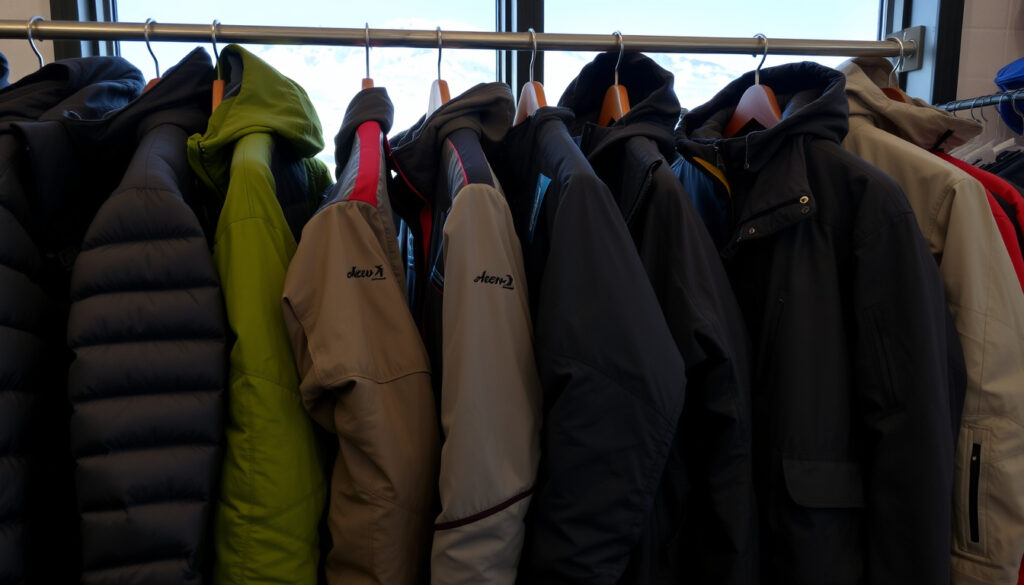
Ski Jacket Buying Guide: Differences, Best Brands & What To Wear
You’ve probably stood in a ski shop wondering whether a $700 jacket is really better than the one you already own. This guide breaks down the technical specs—waterproof ratings, breathability numbers, insulation types—and tells you exactly what to look for.
Recommended waterproof rating: 10,000 mm or higher ·
Standard breathability rating: 10,000 g/m²/24hrs or higher ·
Average US ski season length: 120 days ·
Price range for a beginner ski jacket: $150 – $400
Quick snapshot
- Minimum 10,000mm waterproof rating recommended for skiing (evo Canada (specialist gear retailer))
- Layering system (base + mid + outer) is best practice for temperature regulation (Snow Magazine (ski industry publication))
- Long-term durability of specific DWR treatments on mass-market jackets without audited brand reporting (Switchback Travel (outdoor gear review site))
- Sustainability of production lines for many budget brands lacking third-party verification (Switchback Travel (outdoor gear review site))
- Powder skirt and pit zips as essential features for resort skiing (Switchback Travel (outdoor gear review site))
- Average US ski season lasts about 120 days, meaning your jacket gets most use in a concentrated window (NSAA (industry trade association))
- Look for 2025 models to include more recycled materials and PFC-free DWR treatments (Patagonia (brand sustainability report))
These standard ratings define what a functional ski jacket must deliver.
| Waterproof Rating | Minimum 10,000mm recommended |
| Breathability Rating | Aim for 10,000g/m²/24hrs or higher |
| Insulation Type | Down (warmest/heavy) vs Synthetic (lighter/better when wet) |
| Powder Skirt | Elasticated skirt inside jacket prevents snow ingress |
| Pit Zips | Underarm vents for dumping excess heat |
| Helmet-Compatible Hood | Adjustable to fit over a helmet without restricting vision |
What Is a Ski Jacket Called?
You hear “ski jacket,” “snow jacket,” “ski parka,” “ski shell”—they’re all referring to a jacket built for the demands of skiing. The industry uses three main categories: insulated, shell, and 3-in-1. Each serves a different riding style and climate.
Is ‘Snow Jacket’ a Synonym for ‘Ski Jacket’?
Not exactly. Snow jackets are a broader category that includes casual winter parkas. Ski jackets are engineered for active movement, with articulated arms, helmet-compatible hoods, and reinforced seams. A dedicated ski jacket from brands like Salomon (technical outerwear manufacturer) will include specific features like a powder skirt and pit zips that most snow jackets lack.
What Is a Ski Shell?
A ski shell is an uninsulated outer layer that relies on a waterproof/breathable membrane (like Gore‑Tex) and a separate insulation layer worn underneath. Shells are favored by backcountry skiers because they’re lighter and more breathable during high-output ascents. According to GearJunkie (outdoor gear testing site), shells offer the best versatility for changing conditions.
Shell jackets give you flexibility to adjust layers, but they cost as much as an insulated jacket and require buying a separate mid-layer. Beginners often find 3‑in‑1 systems simpler and cheaper upfront.
What’s the Difference Between a Snow Jacket and a Ski Jacket?
The line blurs in marketing, but there are real functional differences. Ski jackets prioritize breathability and range of motion for sport; snow jackets prioritize insulation for standing around. A winter jacket from a fashion brand lacks the technical membranes that keep you dry on a chairlift in a storm.
Can You Use a Ski Jacket as a Winter Jacket?
Yes. Most ski jackets are warm enough for everyday winter use, especially insulated models. But they’re often bulkier and less stylish than a casual parka. Switchback Travel (gear review authority) notes that a 3‑in‑1 ski jacket with a removable inner layer works well as both ski gear and a commuter coat.
Can You Wear a Regular Puffer Jacket to Ski?
You can, but you shouldn’t. Puffer jackets are filled with down or synthetic insulation and have a thin shell that tears easily and offers almost no waterproofing. Advnture (outdoor expert guide) warns that a wet puffer loses almost all insulation value, making it dangerous in cold, wet conditions. Pit zips and a powder skirt are also missing.
A puffer jacket may be fine for a sunny spring day at a low-altitude resort, but it’s not a safe choice for serious skiing. If you only ski once a year, renting a jacket might be cheaper than buying the wrong one.
What Is the Best Ski Jacket to Buy?
There’s no single best jacket—it depends on where you ski, how hard, and your budget. But the best jackets for most skiers share a few specs: 10,000mm waterproofing, 10,000g breathability, a powder skirt, and pit zips. Let’s look at the leading brands and what to check.
What Is the Best Ski Brand for Beginners?
For new skiers, brands like Obermeyer (family‑oriented ski wear) and The North Face (established outdoor brand) offer reliable 3‑in‑1 jackets under $400. Helly Hansen (Norwegian maritime/ski heritage) is known for durable insulated jackets with good waterproofing. Evo Canada (specialist retailer) recommends trying on multiple brands because fit varies widely.
What Features to Look For in a Ski Jacket
- Waterproof rating: 10,000mm minimum; 20,000mm for wet climates (Snow Magazine (ski lifestyle publication))
- Breathability: 10,000g/m²/24hrs minimum; 20,000g for backcountry (GearJunkie (outdoor gear testing site))
- Powder skirt: Elasticated inner skirt to block snow (Switchback Travel (gear review authority))
- Pit zips: Underarm vents for temperature control
- Helmet-compatible hood: Adjustable to fit over a helmet
- Pockets: Pass pocket, goggle pocket, internal stash pockets
Five specs, one trade-off: higher waterproof ratings usually reduce breathability, as GearJunkie (outdoor gear testing site) explains. For resort skiers, 10k/10k is a sweet spot. For backcountry, lean toward higher breathability even if waterproofing drops to 15k.
| Feature | Insulated Jacket | Shell Jacket | 3‑in‑1 Jacket |
|---|---|---|---|
| Warmth | Built-in insulation | Depends on layering | Removable inner layer |
| Versatility | Low – one temperature range | High – any season | Medium – inner layer can be worn alone |
| Best for | Cold resort days, beginners | Backcountry, spring skiing | First‑time buyers, varied conditions |
| Weight | Heavier | Lightest | Medium to heavy |
| Cost | $200–600 | $300–800 | $250–500 |
The implication: if you ski only at your local resort in cold weather, an insulated jacket is simplest. If you tour or ski in spring, a shell with a fleece gives you more control. A 3‑in‑1 is the best value for someone building a kit from scratch.
Do You Actually Need a Ski Jacket?
If you ski more than a few days a year, yes. A good ski jacket keeps you dry, warm, and safe. But for a one‑time trip, a heavy‑duty rain jacket with a fleece underneath can work—though you’ll miss the powder skirt and pit zips.
What to Wear Instead of a Ski Jacket
Alternatives include a waterproof snowboard jacket (same features, often baggier), a winter parka with a high waterproof rating, or a 3‑layer rain shell with insulation. Advnture (outdoor expert guide) notes that a rain shell with 10,000mm waterproofing and good pit zips can serve as a basic ski shell if you layer properly. But you sacrifice the helmet hood, powder skirt, and hand‑warmer pockets.
Upsides of a dedicated ski jacket
- Optimized features (powder skirt, pit zips, pass pocket)
- Helmet‑compatible hood
- Higher durability against abrasion and snow
Downsides of a dedicated ski jacket
- Higher cost ($150–$800)
- Less stylish for daily wear
- Bulkier than a casual winter jacket
The pattern: for the casual skier who goes once a year, a good rain jacket plus a fleece and base layer is a viable budget alternative. For anyone hitting the slopes regularly, the dedicated ski jacket’s safety and comfort features justify the investment.
What Should a Beginner Wear for Skiing?
Getting the right layers is more important than the price tag on your jacket. The classic three‑layer system: base (moisture‑wicking), mid (insulating), outer (waterproof/breathable). Avoid cotton at all costs—it will leave you cold.
What Not to Wear When Skiing
- Cotton underwear or shirts: absorbs sweat and stays wet (Snow Magazine (ski industry publication))
- Jeans or regular pants: not waterproof, restrict movement
- Scarves: risk of getting caught in lifts; use a neck gaiter instead
- Ordinary gloves: ski‑specific gloves or mittens are needed for warmth and grip
What Can I Wear Skiing If I Don’t Have Snow Pants?
If you don’t have ski pants, wear a waterproof rain pant over a base layer and fleece joggers. Alternatively, most resorts rent ski pants for $20–$40 per day. Avoid wearing multiple pairs of cotton leggings—that will make you colder.
- Base layer: merino wool or synthetic (e.g., Smartwool, Uniqlo Heattech). No cotton.
- Mid layer: fleece or thin down vest (not a thick puffy — too bulky under a shell).
- Outer layer: ski jacket with 10,000mm waterproof rating and pit zips.
- Bottoms: ski pants or waterproof rain pants over a base layer.
- Accessories: ski helmet, goggles, warm socks (avoid thick cotton), gloves or mittens, neck gaiter.
The catch: beginners often over‑dress. If you’re sweating before you reach the lift, peel off a layer. The outer jacket should fit loosely enough for movement but not so loose that powder gets inside.
“A shell jacket with a good mid‑layer system gives you the most flexibility. For resort skiing, an insulated jacket is more convenient, but you can’t adjust it when the weather changes.”
— Lead gear reviewer, Outdoor Gear Lab (independent testing site)
“Layering isn’t just about comfort—it’s safety. Hypothermia starts when moisture stays against your skin. A proper base layer and breathable outer shell are the first line of defense.”
— National Ski Patrol safety officer
“DWR treatments have improved, but they’re not permanent. You need to re‑treat your jacket every season to maintain waterproofing. It’s a small maintenance step that many skiers skip.”
— Product manager, Arc’Teryx (technical outerwear brand)
For the skier buying their first jacket, the choice is clear: if you ski less than five days a year, rent or buy a 3‑in‑1 from a solid brand. If you ski more, invest in a shell and build a layering system. The upfront cost is higher, but you’ll stay dry and comfortable season after season.
snowmagazine.com, evo.com, montecwear.com, rei.com, switchbacktravel.com
Frequently Asked Questions
How should a ski jacket fit?
A ski jacket should be roomy enough for a mid‑layer but not baggy. Sleeves should reach past your wrists when your arms are extended. The hood should fit over a helmet without restricting vision.
How do I wash and care for a ski jacket?
Use a technical wash (Nikwax Tech Wash or Grangers) and re‑proof with a DWR spray every season. Avoid fabric softeners. Tumble dry low to reactivate the DWR.
What is the difference between Gore‑Tex and other waterproof membranes?
Gore‑Tex is a proprietary ePTFE membrane that offers reliable waterproofing and breathability. Alternatives like Salomon’s AdvancedSkin Dry or The North Face’s DryVent offer similar performance at lower prices.
Are ski jackets machine washable?
Yes, most are. Check the tag. Use cold water, gentle cycle, and a technical detergent. Never use bleach.
Can you ski in a down jacket?
Only as a mid‑layer under a waterproof shell. Down loses insulation when wet and takes long to dry. For resort skiing, synthetic insulation is more practical.
What is a RECCO reflector in a ski jacket?
A passive reflector that helps rescue teams locate you with a RECCO detector. It’s a small safety feature found in many high‑end jackets. It does not replace an avalanche beacon.
More related posts
 Peter Alexander: Sleepwear Empire & Journalist’s Career Moves
 James McDonald Suspension: What Happened & Career Overview
 Michelle Rodriguez: Personal life, relationships, and sexuality
 Thomas Weatherall: Ethnicity, Height, Age & Heartbreak High Role
 Squamous Cell Carcinoma: Symptoms, Prognosis & Stages
 Colleen Hoover Books, Controversies, and Reading Order
 Sam Elliott Biography: Career, Net Worth and Personal Life
 Dominik Mysterio: Real Life and WWE Career Explained
