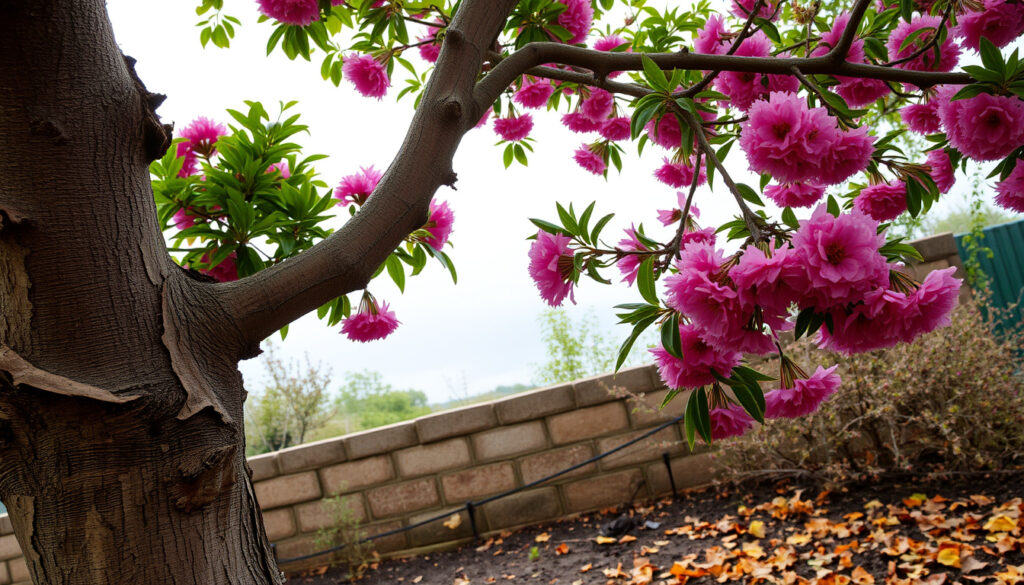
Crepe Myrtle Guide: Downsides, Care, and UK Growing
Few garden plants spark as much devotion — and as much debate — as the crepe myrtle. Native to Southeast Asia and beloved across the American South, this deciduous tree can reach 15–25 feet and produce clouds of crinkled blooms from midsummer into autumn, as noted by the University of Georgia Cooperative Extension (official agricultural advisory). This guide walks through the real downsides, the care essentials, and what it takes to grow one in cooler climates like the UK — no sugarcoating.
Scientific name: Lagerstroemia indica ·
Native region: Southeast Asia, Indian subcontinent ·
USDA hardiness zones: 7–9 ·
Typical height: 15–25 ft (4.5–7.6 m) ·
Blooming period: Mid-summer to fall ·
Lifespan: 20–50 years with proper care
Quick snapshot
- Deciduous tree, height 15–25 ft, spread 10–20 ft (UGA Extension)
- Blooms on new growth from midsummer to fall (UGA Extension)
- Requires full sun (at least 6 hours daily) (UGA Extension)
- Well-drained, slightly acidic soil (pH 5.5–7.0) (UGA Extension)
- Exact lifespan under optimal conditions varies widely; estimates range from 20 to over 100 years (Wikipedia (general reference))
- Long-term survival in UK gardens beyond mild microclimates is not well-documented (Southern Living (gardening editorial))
- Typical lifespan 20–50 years; old specimens in Southeast US reach 100+ years (Wikipedia)
- Flowering begins in July and can last through September (UGA Extension)
- Pruning in late winter sets the stage for summer blooms (UGA Extension)
- UK gardeners should consider container growing for cold protection (Monrovia (specialist nursery))
- Mulch heavily in autumn to insulate roots from frost (UGA Extension)
- Select newer cultivars bred for cooler climates (Southern Living)
Among the key characteristics that define this species: a wide native range, a long bloom period, and moderate size.
| Attribute | Value |
|---|---|
| Scientific name | Lagerstroemia indica |
| Common names | Crepe myrtle, Crape myrtle, Crepe flower |
| Family | Lythraceae |
| Native range | Philippines, Japan, Indian subcontinent, Southeast Asia |
| Mature height | 15–25 ft (4.5–7.6 m) |
| Mature spread | 10–20 ft (3–6 m) |
| Sun exposure | Full sun |
| Soil requirements | Well-drained, loamy, pH 5.5–7.0 |
| Water needs | Medium; drought-tolerant once established |
| Bloom time | July to September |
| USDA hardiness zones | 7–9 |
What is the downside of crepe myrtle?
Why do people dislike crape myrtles?
- Susceptibility to powdery mildew and aphids, especially in humid conditions (UGA Extension)
- Bark shedding and seed pods create constant garden litter (Monrovia)
- Incorrect pruning — often called “crepe murder” — reduces blooms and ruins natural form (SavATree (arborist service))
- Can be short-lived if neglected or planted in poor conditions (Wikipedia)
A crepe myrtle in shade or wet soil becomes a magnet for pests and disease — the very things that make people sour on them. The problem is rarely the plant itself, but where and how it’s placed.
What are common mistakes in crepe myrtle care?
- Over-fertilization leads to lush foliage at the expense of flowers (UGA Extension)
- Pruning too early in autumn forces tender new growth that winter kills (UGA Extension)
- Planting too deep or in compacted soil suffocates roots (Monrovia)
The implication: most downsides are avoidable with the right site and a light hand on the pruners. Missteps, not the tree itself, create the dislike.
Where not to plant a crepe myrtle?
What soil conditions are best for crepe myrtle?
- Avoid heavy clay or poorly drained sites — roots rot in soggy soil (Monrovia)
- Ideal soil: well-drained loam with pH between 5.5 and 7.0 (UGA Extension)
- Amend planting hole with organic matter to improve drainage if needed (UGA Extension)
How much sun does a crepe myrtle need?
- Full sun — at least 6 hours of direct sunlight daily is non-negotiable (UGA Extension)
- In shade, flowering is sparse, mildew is rampant, and growth becomes leggy (SavATree)
- Do not plant within 10 feet of buildings or walkways — the constant litter from bark and seed pods is a nuisance (Wikipedia)
- Cold-wind exposed sites in zones 7 or cooler can cause dieback; choose a sheltered south-facing wall (Southern Living)
Why this matters: picking the wrong spot is the single most common reason crepe myrtles fail to thrive. A sunny, well-drained location solves most problems before they start.
Can crepe myrtle grow in the UK?
What is the best climate zone for crepe myrtle?
- USDA zones 7–9 are ideal; UK zones 8–9 with microclimate protection can work (Wikipedia)
- Not hardy below -15°C (5°F); UK winters occasionally dip below this threshold (RHS (Royal Horticultural Society))
Can crepe myrtle grow in Ireland?
- Ireland’s mild winters (zones 8–9) are borderline, but summer coolness reduces flowering (Southern Living)
- Container growing with winter shelter indoors is the most reliable approach (Monrovia)
- Requires a sheltered, south-facing location to maximize summer heat (RHS)
- Mulching with 3–5 inches of pine bark or straw in autumn insulates roots from frost (UGA Extension)
- Flowering may be reduced in cooler summers; choose early-blooming cultivars (Southern Living)
For UK gardeners, the crepe myrtle is a gamble. A sheltered, south-facing spot and container life tilt the odds, but you’ll trade peak Southern vibrance for a more modest show. The trade-off: exotic beauty vs reliable performance.
The pattern: UK success is possible but demands a microclimate manager’s attention. Northern Britain and Ireland are tougher bets.
Should crepe myrtle be cut back every year?
How to prune a crepe myrtle correctly?
- Annual pruning is not necessary — light shaping only; remove dead wood and crossing branches (SavATree)
- Avoid topping (crepe murder) — it ruins the natural form and reduces bloom quality (SavATree)
- Best pruned in late winter (mid-February in most climates) before new growth begins (The Good Earth Garden (gardening blog))
When is the best time to prune crepe myrtle?
- Late winter to early spring, during dormancy, is recommended by extension services (UGA Extension)
- Do not prune in early fall — it forces new growth vulnerable to frost (UGA Extension)
- Remove suckers at the base throughout the growing season to maintain a clean trunk (Monrovia)
“Crepe myrtles should never be topped. Topping leads to weak growth, increased disease, and an unnatural appearance.”
– North Carolina State University Extension (official university advisory)
The trade-off: the less you prune, the better the natural shape. Heavy pruning is a signal you planted the wrong variety for the space.
What is the lifespan of a crepe myrtle tree?
How can I extend my crepe myrtle’s lifespan?
- Average lifespan is 20–50 years; with optimal care, it can exceed 50 years (Wikipedia)
- Old specimens in the southeastern US have been recorded at 100+ years (Southern Living)
- Key longevity factors: full sun, well-drained soil, correct pruning, and pest management (UGA Extension)
What factors affect crepe myrtle longevity?
- Neglect — especially over-pruning and planting in shade or wet soil — dramatically shortens lifespan (SavATree)
- Regular maintenance (watering during establishment, mulching, light feeding) extends life (UGA Extension)
- Container-grown trees in UK may have shorter life due to root restriction (RHS)
What this means: a crepe myrtle can outlive its owner if treated well. The oldest specimens are testimony to care, not luck.
Pros and Cons of Crepe Myrtle
Upsides
- Long bloom period (8–10 weeks) with vibrant colors (UGA Extension)
- Attractive peeling bark adds winter interest (Wikipedia)
- Drought-tolerant once established (Monrovia)
- Moderate size fits many garden spaces (15–25 ft) (Wikipedia)
- Attracts pollinators like bees and butterflies (RHS)
Downsides
- Susceptible to powdery mildew and aphids (UGA Extension)
- Constant litter from bark shedding and seed pods (Monrovia)
- Requires full sun — won’t bloom in shade (UGA Extension)
- Low cold hardiness (zones 7–9) limits UK viability (RHS)
- Improper pruning (crepe murder) permanently damages form (SavATree)
Steps for Planting and Caring for Crepe Myrtle
Planting
- Dig a hole three times wider than the root ball but no deeper (Monrovia)
- Water thoroughly at planting time, then weekly for the first two months if no rainfall (UGA Extension)
- Apply a 3–5 inch mulch layer of pine straw or shredded bark over the root zone (UGA Extension)
- Stake the tree for its first year to prevent wind damage to shallow roots (Monrovia)
Ongoing care
- Water when top 2–3 inches of soil dry out; avoid soggy soil (Monrovia)
- Fertilize lightly in spring only if growth is weak; over-fertilization reduces blooms (UGA Extension)
- Monitor for powdery mildew; ensure good air circulation and avoid overhead watering (UGA Extension)
- In UK, bring container-grown trees indoors to a cool, frost-free space in winter (RHS)
Pruning steps (do this, not that)
- In late winter (mid-February), remove only dead wood, crossing branches, and suckers (UGA Extension)
- Do not cut back main branches — let the tree keep its natural vase shape (SavATree)
- If height reduction is needed, remove the whole branch at the trunk, not stub it (The Good Earth Garden)
What’s confirmed and what’s still unclear
Confirmed facts
- Crepe myrtle is a deciduous tree native to Southeast Asia (Wikipedia)
- It is susceptible to powdery mildew and aphids (UGA Extension)
- Full sun and well-drained soil are essential for best blooming (UGA Extension)
- Crepe murder (heavy topping) reduces blooms and damages structure (SavATree)
What’s unclear
- Exact lifespan under optimal conditions varies widely; estimates range from 20 to over 100 years (Wikipedia)
- Long-term survival in UK gardens beyond mild microclimates is not well-documented (Southern Living)
Expert perspectives
“Crepe myrtles should never be topped. Topping leads to weak growth, increased disease, and an unnatural appearance.”
– North Carolina State University Extension (official university advisory)
“While crepe myrtles are traditionally Southern, newer cultivars show promise in cooler climates when given a sheltered spot.”
– Southern Living gardening editor (established editorial authority)
The consensus: experts agree that correct planting and minimal pruning are the keys to a long-lived, beautiful tree. UK gardeners need to be selective and protective.
For UK gardeners, the choice is clear: either commit to a warm, sheltered microclimate and accept a reduced display, or grow crepe myrtle in a container and overwinter indoors. The alternative is disappointment. This tree rewards those who respect its needs — full sun, sharp drainage, and a light touch with the secateurs.
Frequently asked questions
Is crepe myrtle a deciduous or evergreen tree?
Crepe myrtle is deciduous — it loses its leaves in autumn and produces new foliage in spring. In winter the peeling bark provides visual interest.
How fast does a crepe myrtle grow?
Growth rate is moderate, typically 1–2 feet per year under ideal conditions (full sun, well-drained soil, adequate water).
Do crepe myrtles attract bees and butterflies?
Yes. The summer flowers are rich in nectar and attract pollinators including bees, butterflies, and hummingbirds (RHS).
Can you grow crepe myrtle in a container?
Yes. Container growing is an excellent option in cooler climates (like the UK) because the tree can be moved to a frost-free location in winter. Use a large pot with drainage holes and well-drained potting mix (Monrovia).
How do I winterize my crepe myrtle?
In zones 7–8, apply a 3–5 inch mulch layer of pine bark or straw around the base after the ground freezes. For container plants, move to an unheated garage or shed that stays above freezing. Avoid pruning in autumn (UGA Extension).
What causes crepe myrtle leaves to turn yellow?
Yellow leaves often indicate overwatering, poor drainage, or a nutrient deficiency (especially iron). Check soil moisture and pH; a soil test can identify problems (UGA Extension).
Are crepe myrtle roots invasive?
No. Crepe myrtle has a fibrous, non-invasive root system that is safe to plant near foundations, walkways, and patios (Wikipedia).
When does crepe myrtle bloom?
Blooms appear from mid-summer (July) through early fall (September) on the current season’s new growth (UGA Extension).
Related reading
- Cavalier King Charles Spaniel breed guide — another comprehensive care guide for a living companion.
- Corelle dinner set UK buying guide — tips on choosing durable products for UK homes.
More related posts
 Katseye Members: Names, Ages, Nationalities & Facts
 Pay Rego WA: Vehicle Licence Renewal Guide
 El Capitan Deaths, Free Solo, and Key Climbing Facts
 Neymar Jr: Inheritance, Net Worth, and Career Downfall
 Kellie Sloane: Biography, Political Career & Personal Life
 Alicia Silverstone: Career, Net Worth, Family, and Life Now
 Vanessa Kirby: Partner, Baby Rumors, Age, and Relationship Facts
