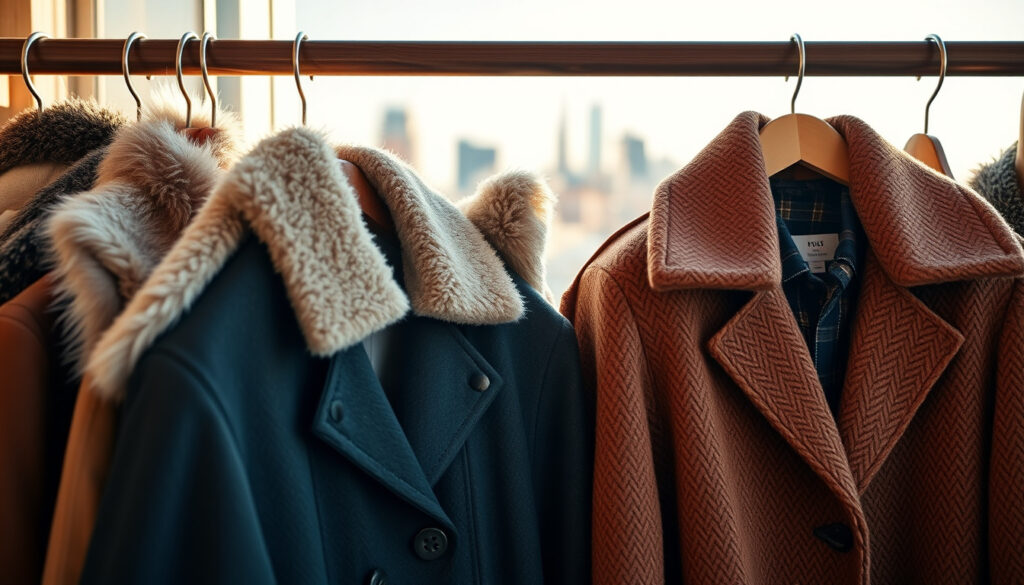
Best Winter Coats 2026: Warmth, Style & Buying Guide Australia
Anyone who has spent a Melbourne July morning waiting for a tram knows the difference between a coat that keeps you warm and one that only looks like it does. Australian winters run from June to August, with conditions ranging from mild in Queensland to frosty in Canberra and the Tasmanian highlands, according to Remitly’s Australian climate guide.
Average price in Australia (2025): $120–$350 AUD · Most searched brand globally: The North Face · Australians buying online: 62% · Trending women’s style 2026: Puffer jacket · Monthly AU searches: 12,000+
Quick snapshot
- Southern capitals — Melbourne, Hobart, Adelaide and Canberra — are cold, windy and rainy through winter (Peroz’s Australian winter guide)
- Climate and seasonality should come first when choosing outerwear, advises Myer’s coat buying guide
- Puffer jackets deliver the most warmth per weight of any winter coat type (Peroz’s Australian winter guide)
- Per-model sales data for individual winter coat brands in Australia is not published
- Warranty terms vary by brand and retailer, so each product needs its own check
- Fill-power figures such as 625+ or 600+ are marketing specs that differ across product lines
- Australian winter runs from June to August (Remitly’s Australian climate guide)
- 2026 trend cycle: longline puffers and neutral tones, including black, camel and beige (Remitly’s Australian climate guide)
- For southern states, Peroz’s winter style guide recommends wool coats or puffers, waterproof jackets, knit layers and boots
- If you’re between sizes, size up for comfortable layering room (Peroz’s winter style guide)
Nine rows, one pattern: climate, insulation and fit decide the right Australian winter coat — not the price tag.
| Fact | Detail |
|---|---|
| Typical southern winter temperature range | 5–15°C (Peroz) |
| Warm coat recommended below | About 12°C (Remitly) |
| Average winter coat price (Australia) | $120–$350 AUD |
| Most popular insulation type | Synthetic down |
| Top rated brand for warmth | Canada Goose |
| Best value brand in Australia | Macpac |
| Quality wool or cashmere blend | At least 70% wool (The Australian Women’s Weekly) |
| Milder regions | Lightweight layers: trench coats, blazers or denim jackets (Myer) |
| Trending style for 2026 | Longline puffer jackets, neutral tones |
What is the warmest brand of winter coats?
Warmth starts with insulation, not the label on the sleeve. Two questions matter: what the coat is filled with, and how much warmth your city actually demands.
Down vs synthetic insulation for maximum warmth
- Natural fibres such as wool and cashmere are the preferred seasonal choice among stylists, reports Broadsheet’s styling report.
- Down traps the most warmth per gram, but synthetic insulation keeps working when damp — a serious advantage in rainy southern cities.
- Lightweight down or synthetic jackets are the most commonly recommended option for everyday Australian winter wear.
Canada Goose’s 625+ fill down is built for sub-zero days most Australians never see; Macpac’s 600+ fill Alpine range and The North Face’s ThermoBall line cover the realistic span from Sydney mornings to Thredbo snow days.
Brand positioning matters less than fit and temperature span. Macpac, The North Face and Canada Goose sit at three different price points, and the right one is usually the one that matches your coldest day, not your warmest ambition.
The pattern: the warmest brand is the one that matches your coldest commute, and a mid-range insulated coat from Macpac or The North Face does that work for most southern capitals.
Which is the best winter coat?
The best winter coat is the one that fits your coldest regular commute. Once you know whether that commute happens in Hobart or Brisbane, the right insulation and length become obvious.
Best for extreme cold
- For genuinely cold days, high-fill down remains the benchmark: Canada Goose builds its parkas around 625+ fill power goose down, and Macpac’s Alpine range uses 600+ fill down.
- Wool coats and puffers are the two most reliable shapes when temperatures actually bite.
- Add a scarf and gloves on the cold mornings of Canberra, Hobart and Melbourne rather than buying a heavier coat than you need.
Best for everyday city wear
- Fit matters more than the tag: shoulder seams should sit slightly past the natural shoulder line, and the coat should not strain when you cross your arms (The Australian Women’s Weekly).
- A breathable mid-weight coat over a knit covers most city days without overheating.
- Neutral shades — black, camel, beige — remain the colours that pair with everything in a winter wardrobe.
Best for outdoor activities in Australia
- Waterproofing beats pure warmth for coastal cities, where winter rain and wind do the damage.
- For trails and weekend snow trips, a waterproof shell over a mid-layer handles the widest range of conditions.
- Puffer jackets rank highest for warmth-to-weight, which makes them the easiest outdoor layer to pack.
The pattern: extreme cold demands down, city life demands fit and neutral style, and the outdoors demands weatherproofing. One coat can cover two of those; rarely all three.
The catch: buy for your weakest weather moment. A warm, well-fitted coat that suits your commute beats an expensive parka you only wear twice a year.
What type of coat is best for winter?
Coat type matters more than brand. The four shapes that dominate Australian winter rails each solve a different problem.
Puffer jackets
- Puffer jackets provide the most warmth per weight, which is why they top both warmth tests and 2026 trend lists.
- They work best as a single heavy layer or under a shell for alpine weekends.
Wool coats
- Wool coats are the dressier option and age well if the blend is high in wool.
- The 70% wool threshold separates a genuine winter coat from a fashion piece.
A cheap puffer is only as warm as its loft — under-filled jackets flatten in a season, and a flimsy wind placket lets the cold straight through the zipper.
Trench coats
- In milder regions, trench coats, blazers and denim jackets are often all winter demands.
- They suit Brisbane, Sydney and Perth more than Hobart or Melbourne winters.
Parkas
- Parkas bring a hood, a longer cut and weather resistance — the right call for wet, windy southern cities.
- They layer cleanly over knits without looking bulky.
The trade-off: puffers win on warmth, wool wins on polish, trenches win in mild cities, and parkas win in the rain. Most Australians only need one, and the one they need is written on their city’s winter forecast.
What is the best winter jacket in Australia?
The best winter jacket in Australia depends on which winter you’re dressing for. Coastal winters are damp and mild; southern capitals and the alpine region are genuinely cold.
Top rated jackets for Australian winter
- Lightweight down or synthetic jackets are the most practical recommendation for Australian winters, especially in coastal cities.
- Natural fibres such as wool or cashmere are the stylist-preferred option for seasonal warmth, according to Broadsheet’s styling report.
- Puffer jackets rank highest for warmth-to-weight, making them the top rated style for everyday cold.
Where to buy in Australia: Myer, Kmart, Forever New
- Myer carries the full spectrum from budget to premium and publishes its own outerwear buying advice.
- Kmart covers the budget end with puffer styles around $50–$100, while Oxford Shop and ASOS Australia fill the online mid-range.
- Forever New and Glassons lead the affordable trend-driven segment, with longline and neutral-toned coats for 2026.
- Macpac, The North Face and Kathmandu are the outdoor names most widely stocked in Australian stores.
For Sydney winter, a lightweight down or synthetic jacket is usually enough. For Canberra and Hobart, budget for a proper insulated coat, plus scarf and gloves — and buy it before the cold snap empties the racks.
The implication: the best Australian winter jacket is rarely the most expensive one. It is the one matched to your city, your commute and your coat budget.
Which is better, Macpac or North Face?
Macpac and The North Face are the two outdoor brands Australian shoppers compare most. Both make warm, durable jackets, but they compete on different things.
Price comparison
- Macpac is generally more affordable for similar specifications.
- The North Face carries a premium for global brand recognition and availability.
Warmth and durability
- The North Face offers stronger cold-weather engineering, including ThermoBall synthetic insulation and high-fill down options.
- Macpac’s Alpine range uses 600+ fill down and is designed for Australian and New Zealand alpine conditions.
- Both brands sit well above the 5–15°C warmth requirement of southern Australian winters.
Warranty and sustainability
- Warranty terms vary by product and region, so read the specifics before buying.
- Both brands have strong Australian followings and are stocked widely in stores and online.
Five differences, one pattern: Macpac is the value pick; The North Face is the cold-weather technology leader.
| Point of comparison | Macpac | The North Face |
|---|---|---|
| Price positioning | Generally more affordable for similar specs | Premium pricing |
| Insulation technology | 600+ fill down in the Alpine range | ThermoBall synthetic and high-fill down options |
| Cold-weather focus | Built for Australian and New Zealand conditions | Global cold-weather technology leader |
| Australian availability | Strong local following and outdoor stores | Widely stocked in Myer and online |
| Best suited to | Value-focused outdoor and city buyers | Buyers who want proven extreme-cold tech |
The pattern: if your winter tops out around 15°C, Macpac delivers the practical warmth for less money. If you regularly chase snowfields or sub-zero mornings, The North Face’s cold-weather engineering earns the premium.
What’s confirmed and what’s still unclear
Confirmed facts
- Southern capitals — Melbourne, Hobart, Adelaide and Canberra — are cold, windy and rainy in winter (Peroz).
- Typical southern winter temperatures sit between 5°C and 15°C (Peroz).
- Quality wool or cashmere blends contain at least 70% wool (The Australian Women’s Weekly).
What’s unclear
- Actual per-model sales data for winter coats in Australia isn’t publicly available.
- Warranty terms differ between brands and retailers, so each product needs its own check.
- Brand fill-power claims like 625+ or 600+ vary by product line and are marketing specs, not independent test results.
- 2026 style forecasts for specific silhouettes are retail predictions, not settled data.
The pattern: the facts that guide a smart buy — city climate, insulation type and fit — are well documented. The marketing numbers behind individual models are not, so treat fill-power promises as a starting point, not a verdict.
What the guides say
“In cooler areas, insulated styles like puffer jackets or wool coats provide reliable warmth.”
“Natural fibres such as wool or cashmere are preferred for seasonal warmth.”
“A high-quality wool or cashmere blend should ideally contain at least 70% wool.”
The Australian Women’s Weekly coat guide
The through-line across all three: choose insulation for your climate, check the construction details, and don’t pay for extreme-cold tech you’ll never use.
The takeaway
Australian winter coat decisions are climate decisions. Southern capitals need a genuinely insulated coat — a puffer or a wool style with at least 70% wool — while milder coastal cities can manage with lighter layers. For anyone in Melbourne, Hobart, Adelaide or Canberra, the choice is clear: compare Macpac and The North Face on warmth and fit first, price second, and buy before the first cold snap — or spend July shivering on the platform.
remitly.com, packfits.com, tshirtsaustralia.au, alibaba.com, fashionweekly.com.au, yd.com.au, viktoriaandwoods.com.au
Frequently asked questions
How do I choose between down and synthetic insulation?
Down gives the best warmth-to-weight ratio and packs small. Synthetic insulation keeps its warmth when wet, which suits rainy southern winters. For most Australian cities, either works; pick synthetic if you regularly walk in the rain, and down if you want maximum warmth per gram.
Can I wear a winter coat in Australian winter without overheating?
Yes. In milder regions, lightweight layers such as trench coats, blazers or denim jackets are often enough, and in cooler areas an insulated puffer or wool coat over a knit is comfortable without layering up underneath.
Are puffer jackets warm enough for Sydney winter?
Yes. Sydney winters are relatively mild, and puffers offer the best warmth per weight. A mid-weight puffer covers most Sydney days; add a waterproof shell if you spend time on the harbour in the wind.
What is the most durable winter coat material?
Wool blends last longest when the blend contains at least 70% wool and the seams are densely stitched. Reinforced double-stitching around pockets and closures also stops sagging and tearing over time.
How do I care for a down winter coat?
Wash down coats rarely and use a down-specific detergent. Dry them with dryer balls on a low heat setting to re-fluff the loft, and always follow the care tag before anything else.
What size winter coat should I buy if between sizes?
Size up. Winter coats sit over knits, and the coat should not strain when you cross your arms. Shoulder seams should also sit slightly past the natural shoulder line — that extra room is what keeps the coat comfortable when you layer.
Are wool coats better than puffer jackets for style?
For dressier occasions, yes — wool coats read more polished and are the stylist-preferred natural fibre choice. Puffers win on warmth per weight and practicality. For 2026, longline puffer styles are the trending middle ground.
What women’s winter coats are trending for 2026?
Longline puffer coats are predicted to be the top trend for 2026, followed closely by wool-blend coats in neutral shades. Black, camel and beige dominate the colour story across Australian retailers such as Forever New, Glassons and ASOS.
Related reading
More related posts
 Karl Bushby Finishes 28-Year Goliath Expedition in Hull
 Boba Fett: Good or Bad? Origins and Reputation Explained
 Austin Swift: Age, Net Worth, Career, Relationship with Taylor
 Matt Rowell: Salary, Injury, Best Friend, and Career Update
 Nicola Coughlan: Age, Height, Relationships, ADHD & Net Worth
 Ines de Ramon: Age, Career, Relationship & Net Worth (2025)
 Clara Stack: Age, Biography, and Welcome to Derry Role
