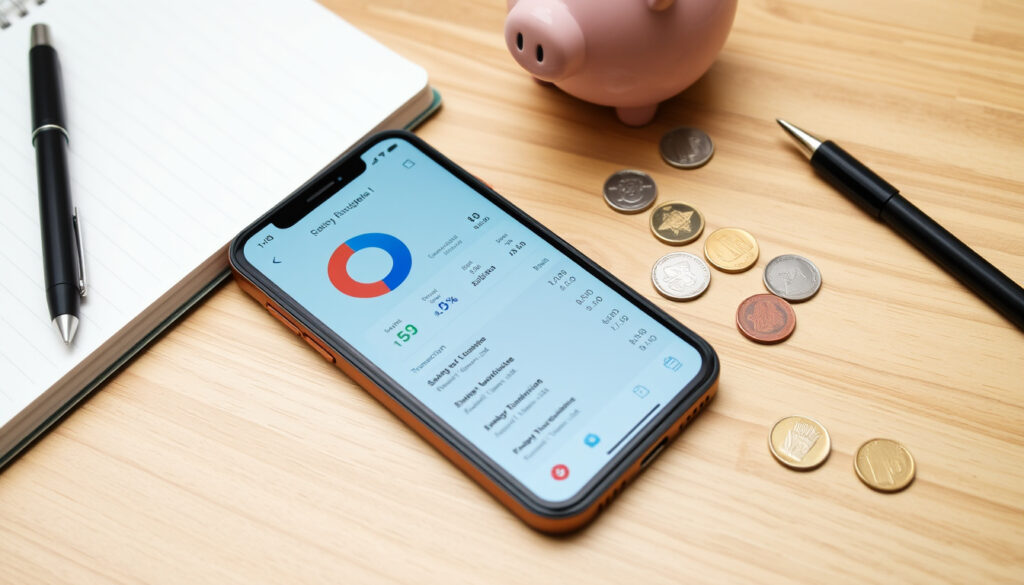
Best Budgeting Apps 2025: Top Picks, Rules & Reviews
You know that feeling when you open a budget app and feel judged by your past coffee purchases? The right app can turn that guilt into clarity, and 2025’s top budgeting apps promise something different: actual control, not just colorful pie charts.
Forbes 2026 top rating: PocketGuard 4.5/5 ·
NerdWallet 2026 top picks: YNAB, PocketGuard, Monarch Money ·
Typical monthly subscription range: $0 – $14.99
Quick snapshot
- PocketGuard earned a 4.5/5 rating from Forbes Advisor
- YNAB costs $14.99/month or $109/year, per Experian
- NerdWallet names YNAB, PocketGuard, and Monarch Money as top picks (NerdWallet)
- Which app is best for envelope budgeting is not settled — Goodbudget, YNAB, and EveryDollar implement it differently
- The 3-6-9 money rule lacks a single authoritative source
- Whether free versions suffice long-term depends heavily on individual habits
- Mint was discontinued in early 2024; users migrated to alternatives like Monarch Money and YNAB
- Mid-2025 sees AI-driven expense categorization becoming mainstream across top apps
- Expect tighter integration between budgeting rules (50-30-20, 3-6-9) and app features
- More apps will offer free tiers with bank sync, pressuring paid-only models
Five apps dominate the 2025 market, but each takes a different philosophical approach to your money. One pattern: the cheapest option isn’t always the most effective, and the most expensive doesn’t always win on features.
| App | Pricing | Best for | Key feature |
|---|---|---|---|
| PocketGuard | $74.99/year (free tier available) | Spending tracking & “what’s left” budgeting | Simple snapshot of spendable money (Experian) |
| YNAB | $14.99/month or $109/year | Zero-based budgeting | Every dollar assigned a purpose (Purdue Global) |
| Monarch Money | $99/year | Comprehensive financial tracking for couples | Household member at no extra cost (NerdWallet) |
| Goodbudget | Free (10 envelopes) or $80/year premium | Envelope budgeting across devices | Digital envelope system (Experian) |
| EveryDollar | Free (manual) or premium (bank sync) | Debt payoff & zero-based budgeting | Ramsey Solutions framework (NerdWallet) |
| Honeydue | Free | Couples sharing expenses | Choose how much to share with partner (NerdWallet) |
| Copilot | Premium subscription (Apple only) | AI-driven categorization & big-picture view | Learns spending patterns (NerdWallet) |
The implication: no single app serves every budgeting philosophy. PocketGuard and YNAB win on methodology clarity; Monarch Money and Honeydue win on shared household tracking.
PocketGuard’s 4.5/5 Forbes rating reflects its strength for one job — showing what you can safely spend — while YNAB’s zero-based method forces you to plan every dollar. If you’re a couple, Monarch Money or Honeydue may save your relationship from the “you spent how much?” conversation.
Upsides
- PocketGuard: Simple “what’s left” snapshot needs minimal setup.
- YNAB: Forces discipline through zero-based budgeting.
- Monarch Money: Comprehensive dashboard with net worth and investments.
- Goodbudget: Intuitive envelope system free for up to 10 envelopes.
- EveryDollar: Free manual version popular for debt payoff.
Downsides
- PocketGuard: Free tier has limited bank sync; premium costs $74.99/yr.
- YNAB: Most expensive at $14.99/month; no free tier beyond trial.
- Monarch Money: No free version; $99/year subscription.
- Goodbudget: No automatic bank sync; manual entry required.
- EveryDollar: Free version lacks bank sync; premium costs extra.
What is the best budget app in 2025?
PocketGuard: Forbes’ top pick
Forbes Advisor research team gave PocketGuard 4.5 out of 5 stars, calling it the best app for tracking spending. Its core idea: connect your accounts, set your bills and goals, and the app tells you what’s left — “spendable” money. No categories to tweak, no elaborate setup.
- Annual cost: $74.99 according to Experian
- Free version includes basic transaction tracking and bill reminders
- Best for people who want a simple “can I afford this?” answer
YNAB (You Need a Budget): NerdWallet favorite
YNAB follows zero-based budgeting: every dollar you earn gets assigned a job — rent, groceries, savings, even that vacation fund. NerdWallet recommends it specifically for this method. The catch: it’s the priciest option at $14.99/month or $109/year according to Experian.
- Strong for people who need to break the paycheck-to-paycheck cycle
- Requires upfront time investment to learn the method
- No free tier beyond the 34-day trial
Monarch Money: Best for comprehensive tracking
NerdWallet highlights Monarch Money for its holistic approach: net worth tracker, investment dashboard, personalized reports, and bill reminders. You can add a household member at no extra cost, making it a strong contender for couples.
- Annual cost: $99 according to Experian
- Integrates multiple financial accounts into one dashboard
- Customizable budgeting tools and goal tracking
YNAB forces discipline but costs more. PocketGuard makes spending awareness effortless. Monarch Money offers the widest feature set. Your budgeting philosophy — not the app’s marketing — should decide.
The pattern: each app targets a distinct budgeting style, so the best choice hinges on whether you need spending awareness, zero-based control, or shared household tracking.
What are the top 5 budgeting apps?
1. PocketGuard
Forbes lists it as the best overall budgeting app. Its “In My Pocket” feature shows available spending after bills and savings are accounted for. Free version available with limited bank sync.
2. YNAB
NerdWallet includes YNAB in its top picks for zero-based budgeting. The app’s philosophy: “Give every dollar a job.” No free tier beyond trial.
3. Monarch Money
NerdWallet praises its robust features and customizable tools. Best for households with multiple accounts and investments.
4. Goodbudget
Digital envelope budgeting. Free version gives you 10 envelopes; premium at $80/year unlocks unlimited. Useful across multiple devices, per Experian.
5. EveryDollar
From Ramsey Solutions, offering zero-based budgeting with a focus on debt payoff. Free version is manual; premium adds bank sync, as noted by NerdWallet.
The takeaway: these five cover the main budgeting methods — envelope, zero-based, and simple tracking — giving users a clear starting point.
What is the best budget rule for 2025?
The 50-30-20 rule
This classic guideline divides after-tax income into three buckets: 50% for needs (housing, food, utilities), 30% for wants (entertainment, dining out), and 20% for savings and debt repayment. UNFCU notes it’s widely cited for its simplicity. Apps like YNAB and Monarch Money support this through custom categories and goal tracking.
The 3-6-9 rule
This newer rule suggests maintaining an emergency fund of 3 months’ expenses for basic security, 6 months for stability, and 9 months for retirement readiness. While less standardized than 50-30-20, it’s gaining traction as a savings roadmap. Some budgeting apps incorporate it via savings goals.
Zero-based budgeting
YNAB’s method: income minus expenses equals zero every month. Every dollar is assigned a purpose. Purdue Global points out this approach eliminates the “where did my money go?” question.
Which budget app is truly free?
Three apps offer genuine free tiers — but each comes with significant limitations.
| App | Free tier features | Key limitation |
|---|---|---|
| PocketGuard Free | Transaction tracking, bill reminders, monthly spending summary | Limited bank sync; premium required for full features |
| Goodbudget Free | 10 envelopes, manual entry, multi-device sync | No automatic bank sync; manual entry required |
| EveryDollar Free | Manual budget creation, zero-based framework | No bank sync (premium adds it) |
| Honeydue | Full app for couples (bank sync included) | Designed for two; limited solo use |
The catch: “free” often means manual work. Goodbudget and EveryDollar free versions require typing every transaction yourself. Honeydue is the exception — completely free with bank sync — but it’s built for couples, not individual budgeters.
What are the biggest budgeting mistakes?
Not tracking all expenses
Small cash purchases and subscription charges slip through the cracks. Dedham Savings warns that forgetting annual bills (insurance, memberships) can blow a budget that looks fine on paper.
Ignoring irregular expenses
Car repairs, medical copays, holiday gifts — these hit hardest because they’re unpredictable. Apps that support sinking funds (like YNAB and Monarch Money) help by setting aside money monthly for known-but-irregular costs.
Setting unrealistic goals
Cutting your food budget by 50% overnight rarely sticks. Automated tracking in apps like PocketGuard reduces human error, but the budget must reflect your real habits.
Using multiple apps inconsistently
Having one app for tracking, another for investments, and a spreadsheet for savings creates gaps. Monarch Money’s comprehensive approach is designed to solve exactly this problem.
Users often abandon an app when it’s too complex or doesn’t match their financial habits. The best app is the one you actually use — not the one with the best rating.
The pattern: most budgeting failures stem from inconsistency or poor matching between method and behavior, not from the tools themselves.
What the experts say
“PocketGuard is the best budgeting app for tracking spending, earning a 4.5-star rating from our research team.”
— Forbes Advisor research team
“The best budget apps are user-approved and typically sync with banks to track and categorize spending. YNAB, PocketGuard and Monarch Money are top picks.”
— NerdWallet editorial team
Before Mint’s shutdown in early 2024, many users relied on its free automated tracking. That vacuum created room for Monarch Money and Copilot to gain traction. The shift: from “free and good enough” to “paid and purpose-built.”
Frequently asked questions
How do budgeting apps sync with bank accounts?
Most apps use third-party data aggregation services like Plaid to securely connect to your bank, credit card, and investment accounts. Transactions are pulled automatically and categorized. Always check the app’s security page for encryption details.
Are budgeting apps safe to use?
Reputable apps use 256-bit encryption, multi-factor authentication, and read-only access to your accounts. They cannot move money — only view transactions. Purdue Global notes that apps like YNAB and PocketGuard prioritize data security.
What is the best free budget app for beginners?
Goodbudget’s free tier is strongest for beginners because envelope budgeting is intuitive — you allocate cash to categories mentally. PocketGuard’s free version is also beginner-friendly with its “what’s left” approach.
Can budgeting apps help with debt payoff?
Yes. YNAB and EveryDollar include debt payoff tools as part of their zero-based frameworks. You assign every dollar toward either expenses or debt reduction, making progress visible month by month.
Do budgeting apps work with multiple currencies?
Few mainstream apps handle multi-currency well. Spendee is an exception, supporting multiple currencies and automatic exchange rate conversion. YNAB can handle it with manual currency adjustments.
How often should I update my budget in the app?
Daily or weekly check-ins are ideal. Apps with automatic syncing (Monarch Money, YNAB) update transactions in real time, but reviewing categories and adjusting spending targets weekly prevents surprises.
What is the difference between envelope and zero-based budgeting?
Envelope budgeting (Goodbudget, EveryDollar) assigns cash to physical or digital “envelopes” for each category. When the envelope is empty, you stop spending in that category. Zero-based budgeting (YNAB) assigns every dollar a job before the month starts — but unused money can roll over or be reassigned.
Which app is best for couples?
Honeydue is purpose-built for couples: free, includes bank sync, and lets each partner choose how much to share. Monarch Money also excels here — you can add a household member to the same subscription at no extra cost, per NerdWallet.
For anyone trying to pick a budgeting app in 2025, the choice is clear: if you want spending awareness without effort, PocketGuard. If you need a complete financial overhaul, YNAB. If you share finances with a partner, Monarch Money or Honeydue. The right app won’t fix bad habits — but it will show you exactly where to start fixing them.
More related posts
 Marianne Faithfull: Singer, Mick Jagger, and Death at 78
 Cheap Flights to Vietnam from Dublin: Deals & Tips
 Imran Khan: The Politician, Actor, Cricketer, and British MP
 Trevor Noah Biography: Apartheid Childhood to Global Fame
 Wu-Tang Clan: Respect, Religion, Downfall, and Legacy
 Ines de Ramon: Age, Career, Relationship & Net Worth (2025)
 Emma Bunton: Net Worth, Husband, Children & Current Life
 Full Throttle Ranch – Middleton Idaho Status Guide
